Travel & Places · 6 min
Sénanque Monastery: Where Lavender and Stone Hold Quiet Conversation
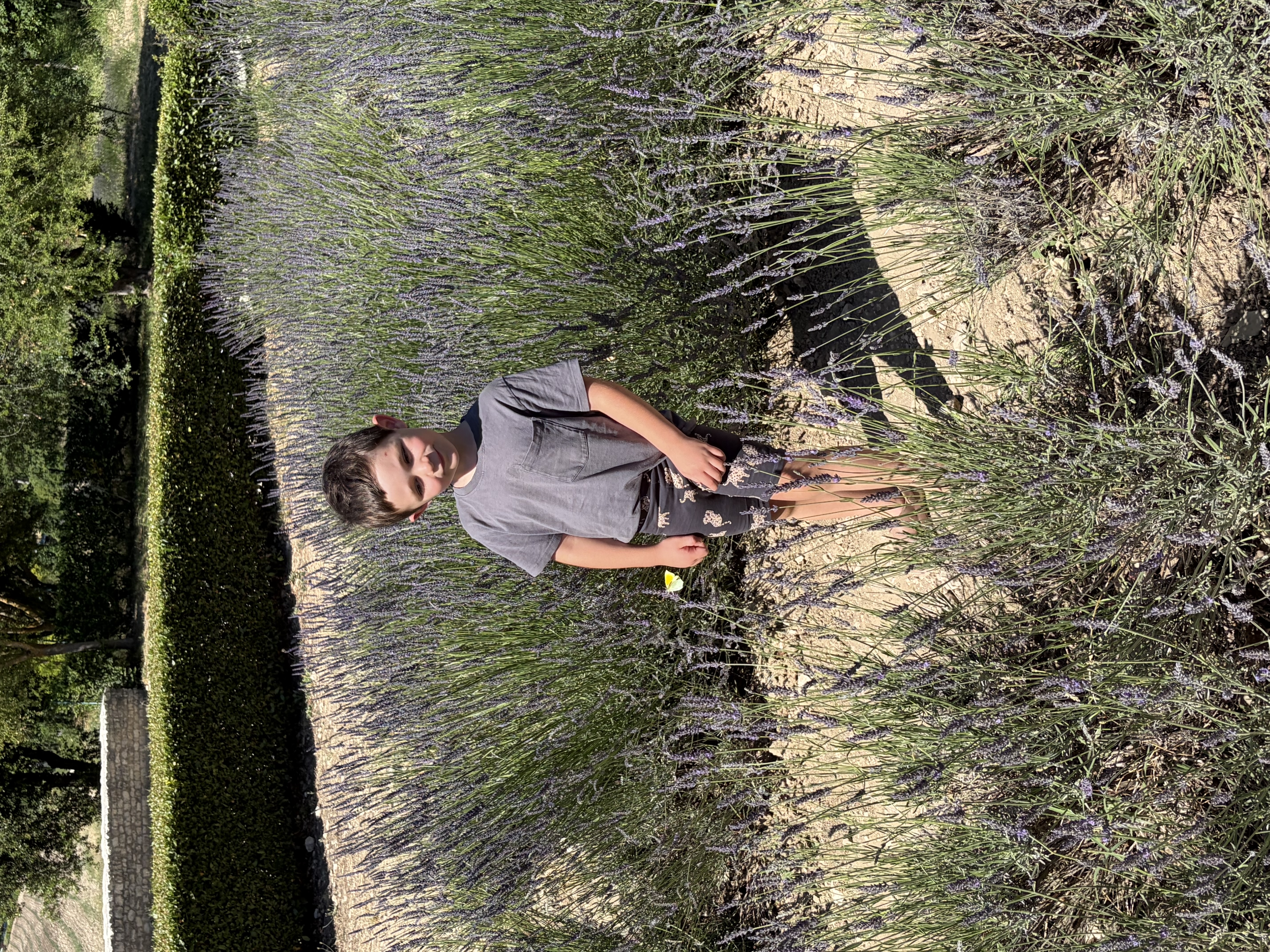
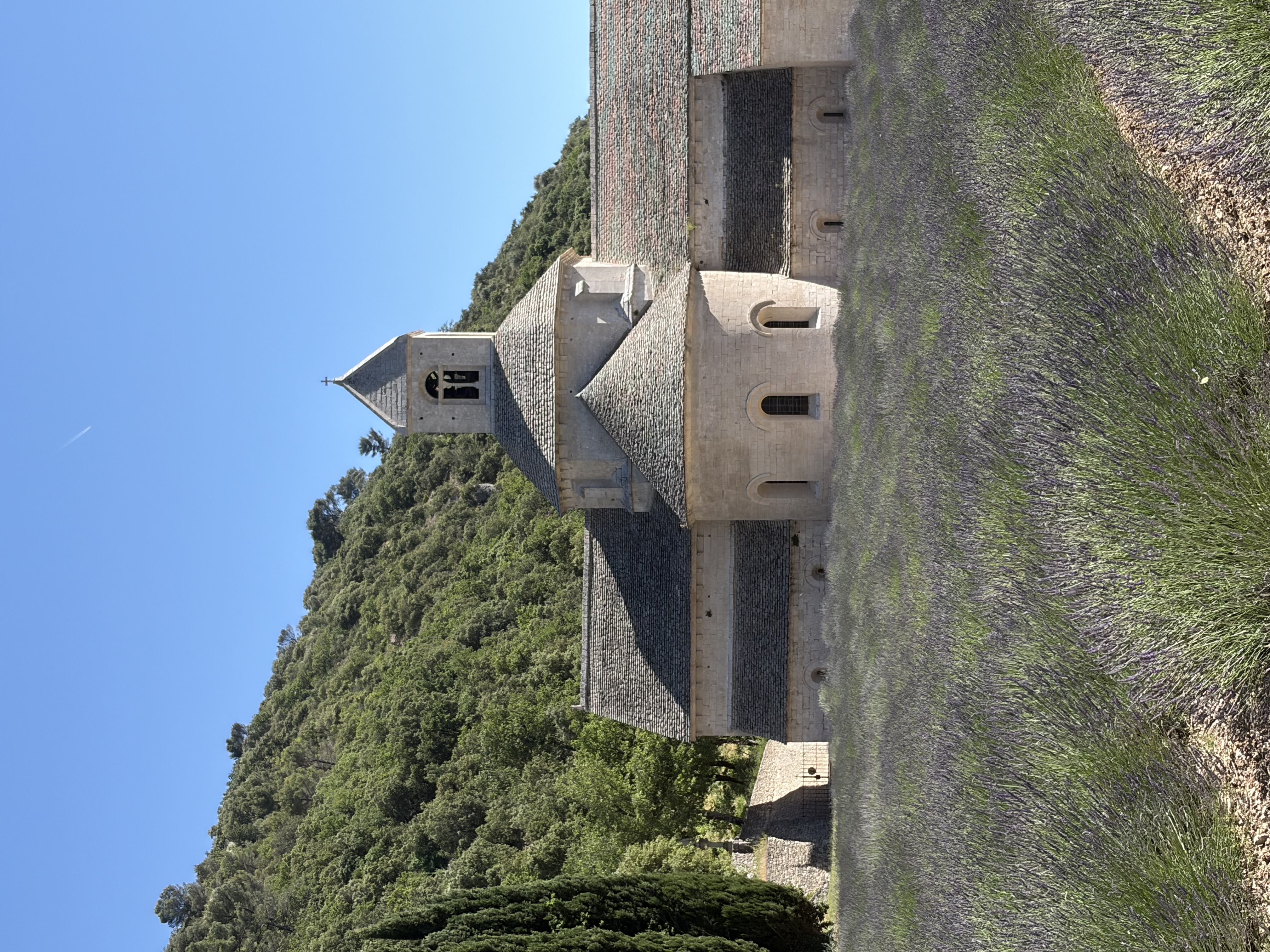
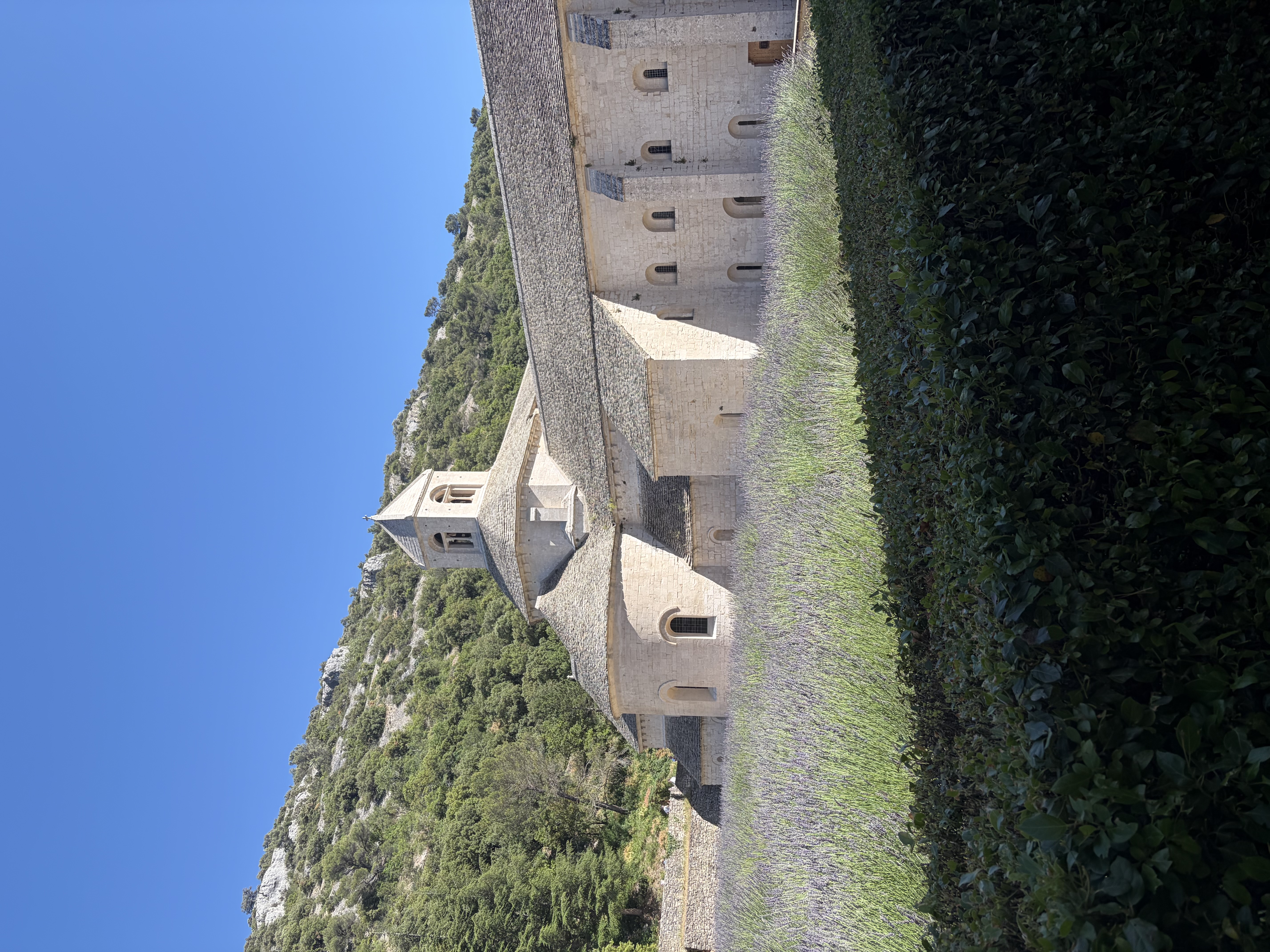
The path narrows as you walk deeper into the lavender field. The plants brush against your legs, their purple heads catching the light. Then the monastery appears, not dramatic, just there. Grey stone walls rise from the same earth that feeds the lavender. The Sénanque abbey in Provence is not a postcard. It is the feeling of standing in a place where centuries have simply continued without fuss, where the rhythm of seasons matters more than anything built by human hands.
The Approach Through Purple
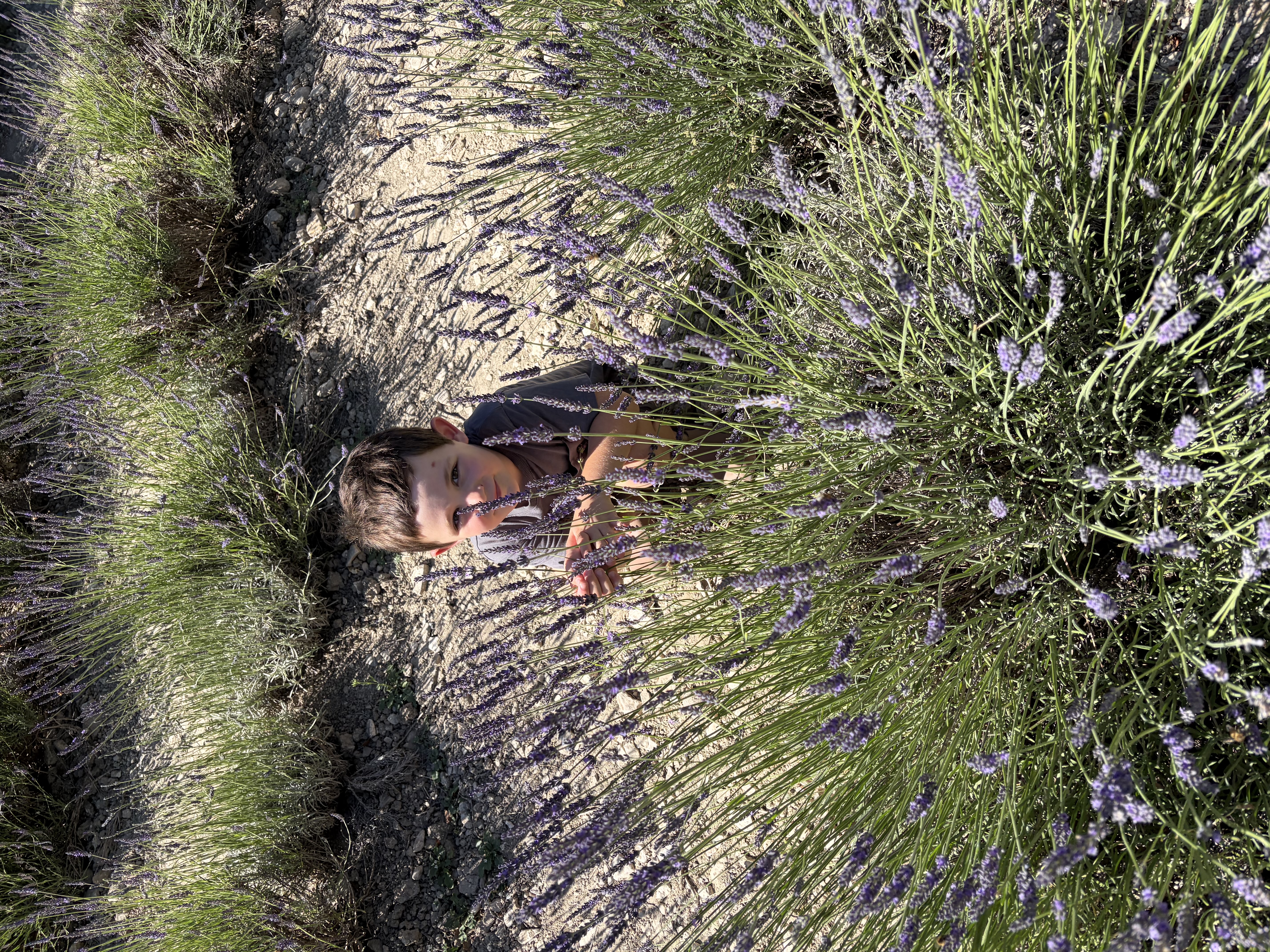
You do not simply arrive at Sénanque. You walk through it first. The monastery sits in a valley south of Gordes, surrounded by lavender fields that belong to the abbey itself. During blooming season, the purple floods the landscape. But this is not the manicured rows of tourist photographs. These are working fields, tended by the Cistercian monks who have lived here since the twelfth century.
The approach matters. The fields force you to slow down. There is no rushing through lavender. Your pace becomes the pace of the plants, of the light changing as you move, of dust rising from your footsteps. By the time the stone walls appear, you have already begun to feel the weight of this place. The monastery does not need to announce itself. The landscape has already prepared you.
Stone That Has Never Left
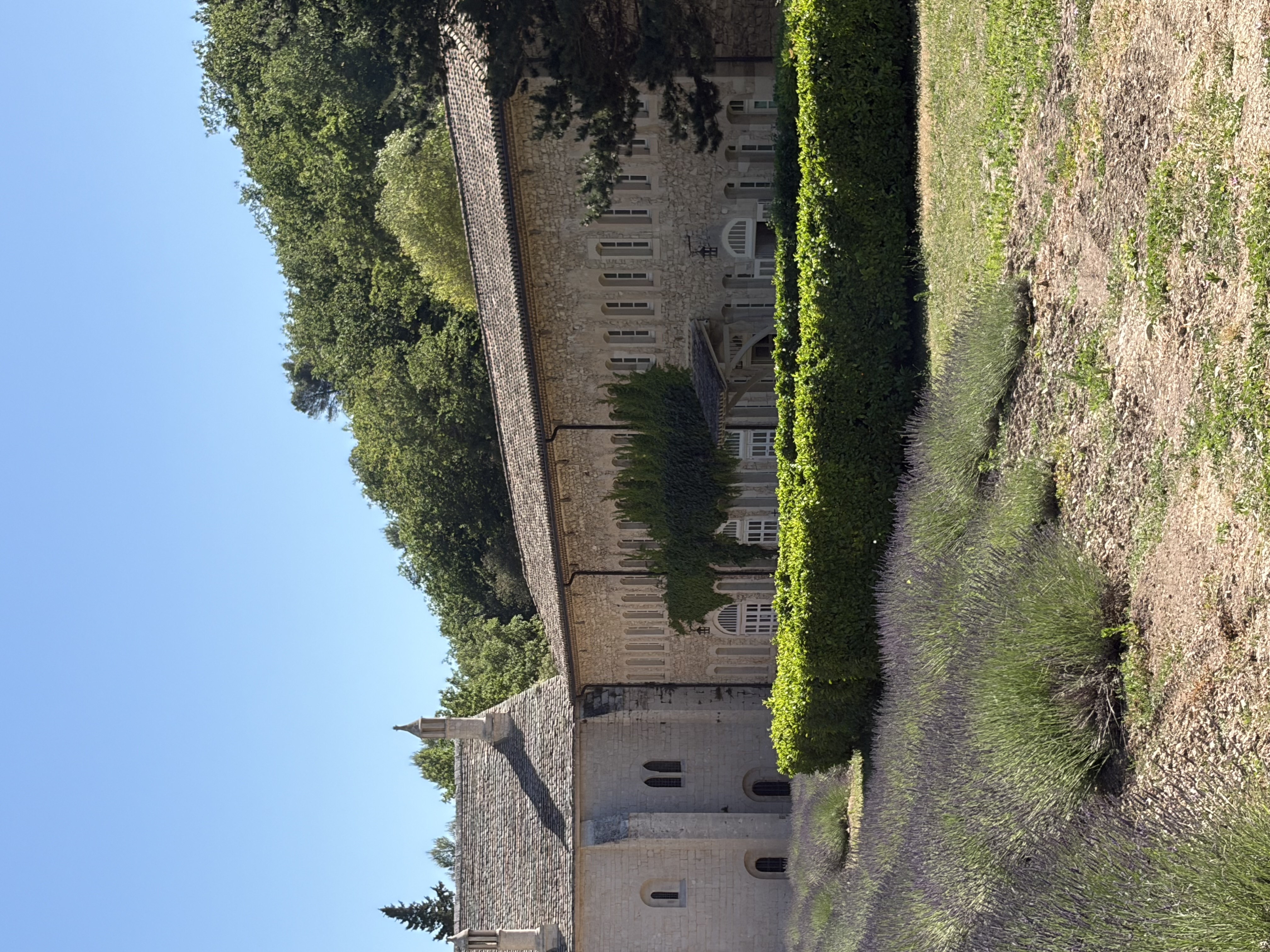
The abbey is built from the local grey stone, the same material that rises from hillsides throughout the Luberon valley. It is stone that looks as though it grew here rather than was quarried and cut. The walls carry patina that only time deposits. Moss grows where moisture gathers. The south-facing walls hold the heat of centuries.
Inside, the architecture is almost stark. Romanesque simplicity. Thick walls, narrow windows, vaulted ceilings. The Cistercians built for permanence and for clarity. No ornament distracts. No surface pretends to be more than what it is. You can see the hand of the stonemason in every block, the intention in every angle. This is material honesty, the kind that teaches you something about what matters in a building.
Light as Material
The interior of Sénanque reveals what happens when medieval builders understood light as carefully as they understood stone. The windows are positioned to draw specific movements of sun across the walls. In early morning, light pours through the east side. By afternoon, the main nave holds a cooler illumination from the north. The stone changes colour throughout the day, from pale gold to grey to nearly blue in certain hours.
This is not accident. The monks designed these spaces to be inhabited differently at different times. The same room is not the same room at dawn and at dusk. The quality of light shapes your mood, your pace, your thoughts. Standing inside Sénanque in silence is to understand that buildings are not static. They are conversations between stone and sun that never stop.
Why the Silence Matters
The abbey still functions as a monastery. The monks remain. This means the spaces have not been converted into museums or performance venues. You walk through rooms that still hold their original purpose. The cloister is where they walked. The refectory is where they ate in silence while one read aloud. The dormitory is still a dormitory.
There is a quality to spaces that have never been interrupted. They do not feel like heritage sites. They feel like places where life has simply continued. The silence is not performed for visitors. It is the natural sound of these rooms. When you stand in the church at the hour when monks gather for prayer, you feel the difference between visiting a building and inhabiting one. The stones have witnessed the same rituals for nine hundred years. That repetition settles into the walls.
The Fields as Part of the Design
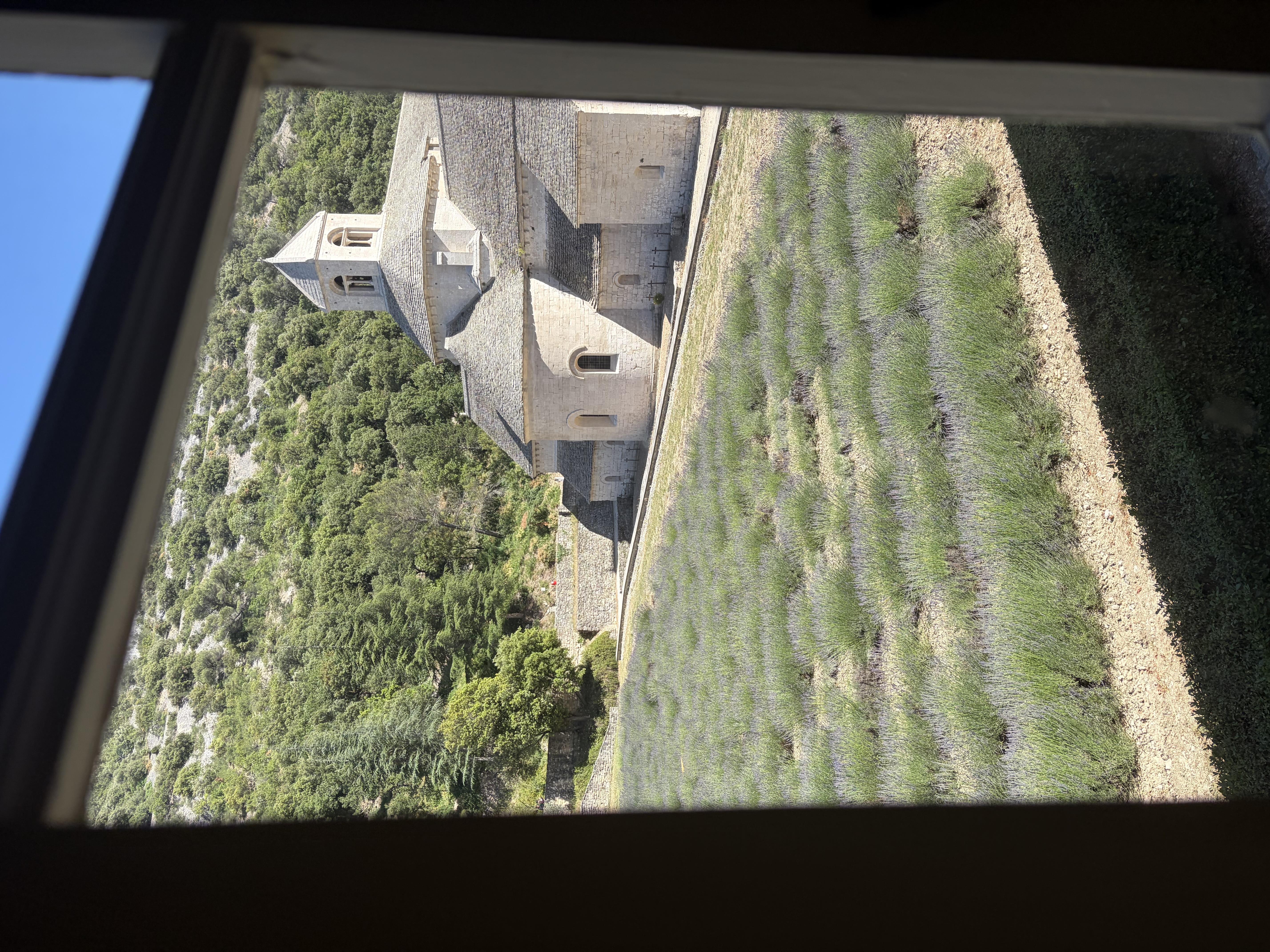
The lavender surrounds the monastery not by accident but by plan. The Cistercians were practical. They farmed. They grew herbs for medicine and fragrance. The lavender fields visible from the abbey windows represent centuries of cultivation by the hands that live here.
This integration of building and landscape teaches something important about living in a place. The monastery is not separate from its surroundings. It is part of a working landscape. The abbey needs the fields. The fields benefit from the abbey's stewardship. This is not nostalgia or tourism. This is how people have actually lived in Provence for centuries. The purple is beautiful, yes. But it is also labour, medicine, commerce. It is life.
What Sénanque Asks of You
The visit requires patience. There are no guides rushing you through narratives. No labels explaining every stone. You are given the space, literally, to notice things at your own pace. The way light moves. The texture of walls that have been worn by nine centuries of hands. The specific silence of a room where only stone and air exist.
This kind of attention is rare now. Most heritage sites help you consume them quickly. Sénanque does not cooperate with that impulse. It is a place that rewards returning, that asks you to sit still and let something settle. It is not trying to impress you. It has been here far longer than you will ever be. That matters. That changes how you look.
Frequently asked
Can you visit Sénanque monastery year-round?
Yes, but visiting hours vary by season. The abbey is an active monastery, so visitor access is structured around the monks' daily schedule. Spring and early summer offer the lavender fields in bloom. Winter brings clearer light and fewer visitors.
Is photography allowed inside the abbey?
Generally no. Photography is restricted in the church and many interior spaces to preserve the contemplative atmosphere. The lavender fields and exterior grounds allow photography.
How long should you plan to spend at Sénanque?
The visit itself might be two hours, but arriving early and walking through the fields, sitting in silence, and absorbing the light rewards a half-day or longer. Rushing through defeats the purpose.
When is the lavender in bloom at Sénanque?
Peak bloom is typically July through early August. June and late August still offer purple fields, though less densely. The fields are harvested in summer.
Do the monks still live at Sénanque?
Yes. A small community of Cistercian monks maintains the abbey. They follow the monastic schedule of prayer, work, and study that has shaped the rhythm of the place for nine centuries.