Excursion & Surroundings · 6 min
Where the white stone meets the sea
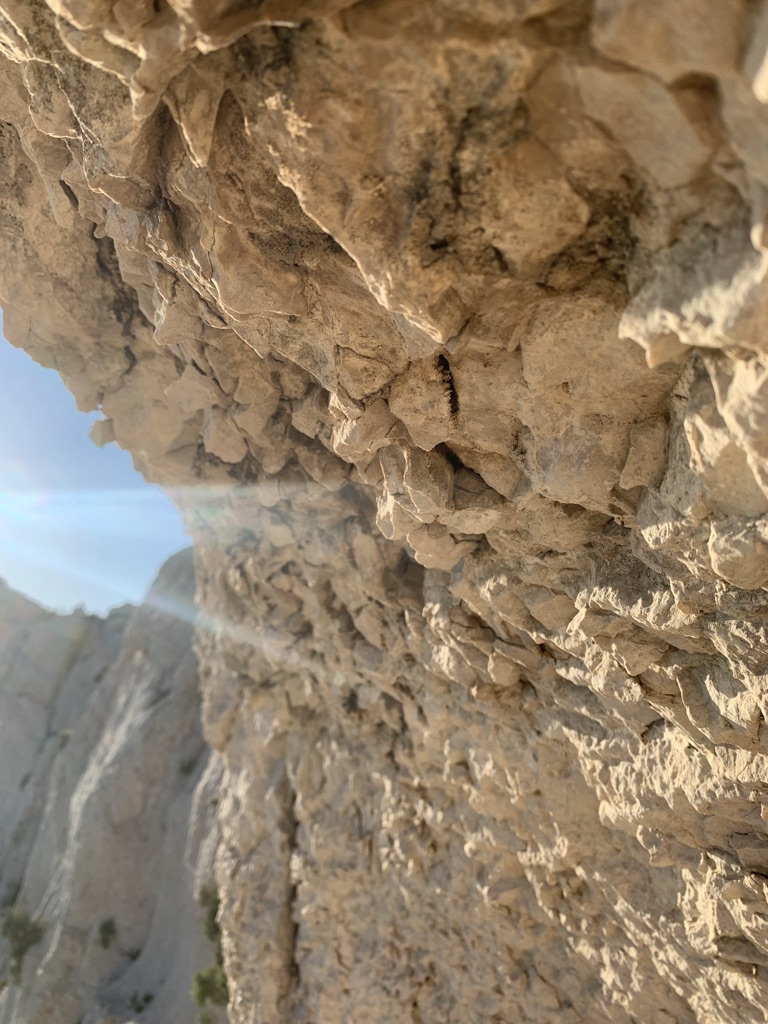
There is a point where the path ends and something larger begins. The white limestone breaks off, and below it the sea has been working forever, patient and wild at once. On a day with mistral the cove is no postcard, but a living thing beating against the rock. Right there, on that edge, you truly understand the Calanques.
Stone that came from the sea
The limestone of the Calanques was once sea floor itself, pressed from what lived in the water. Now it stands as a wall above that same sea, bright, hard, shot through with cracks. It is an old cycle you see here with your own eyes, the water made the stone and now slowly wears it away again. This honesty of a material that shows where it comes from is exactly what moves us in a place.
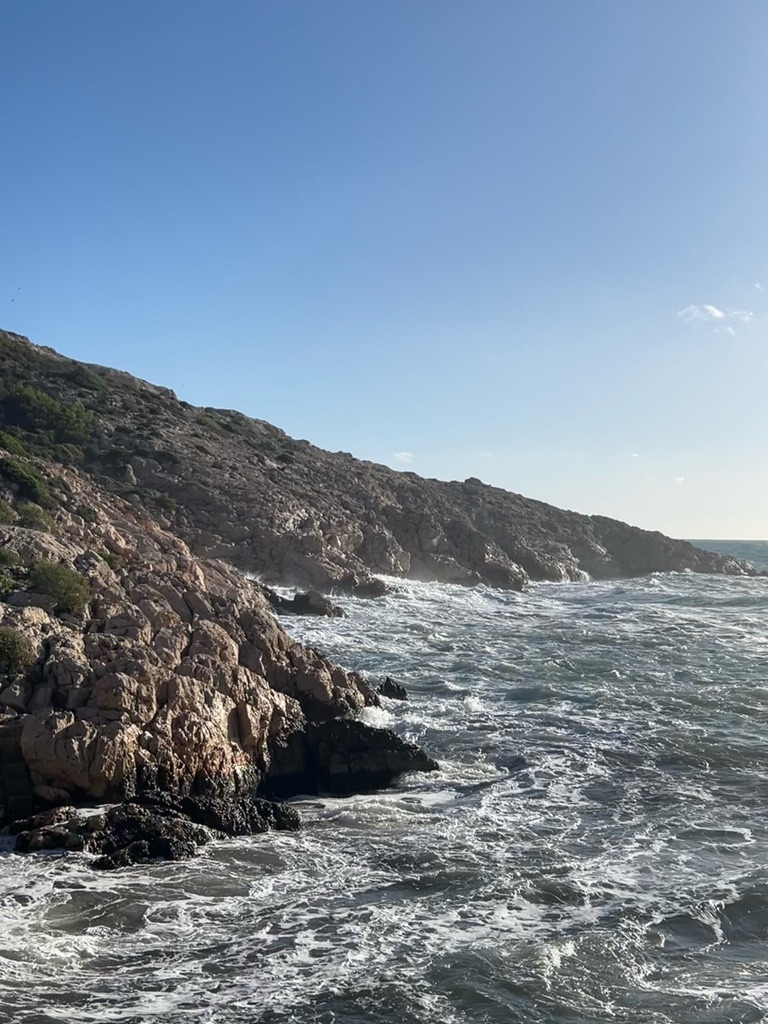
The mistral and the colour of the water
In still air the water lies here in a turquoise that seems unreal, bright over the white bed. When the mistral comes, the cove turns silver, spray flies over the rocks, and the air tastes of salt. Both faces belong to it. A place beautiful only in fair weather is a stage set. The Calanques are beautiful in the wind too, especially then, raw and awake.
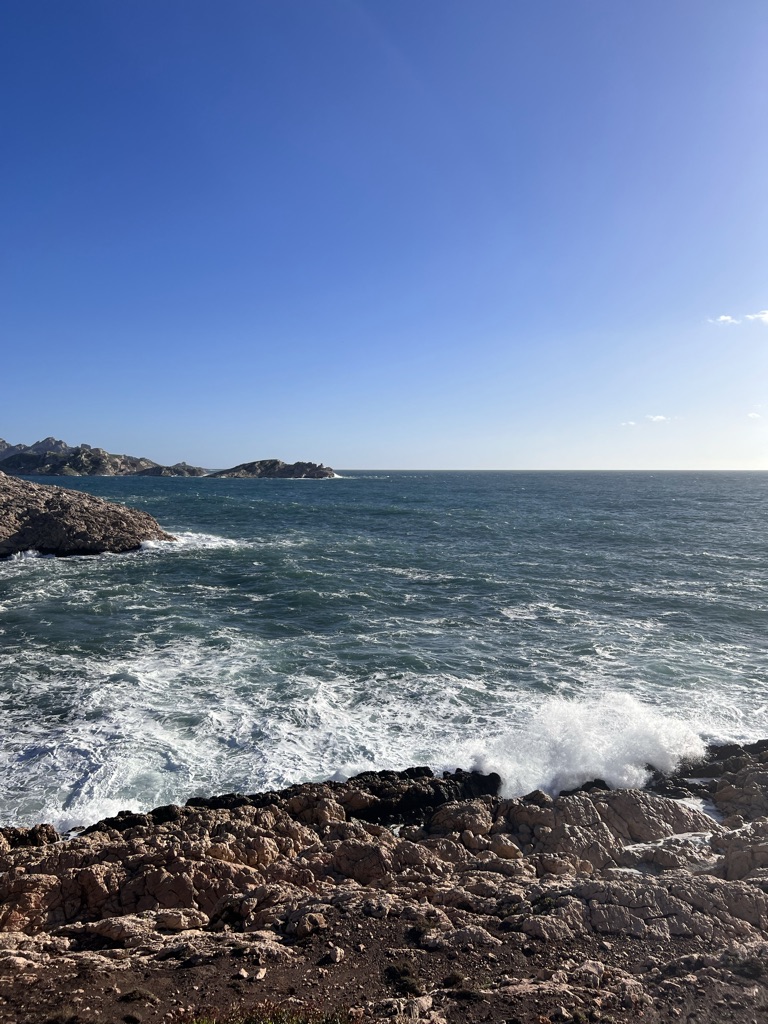
Life in every crevice
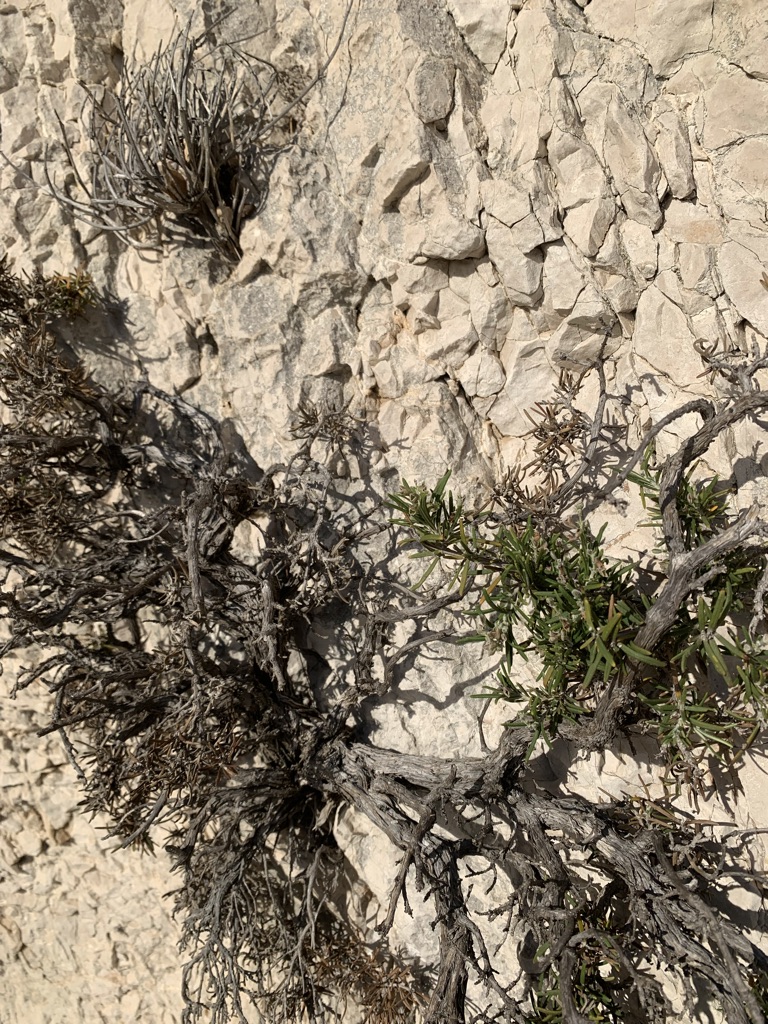
Look closely, and the seemingly bare rock lives. From every crack something grows, rosemary, wild thyme, a pine bent by the salt. Nothing here has it easy, and that is exactly what makes it tough and beautiful. It is a lesson in humility, how little a place needs to be full of life. You go home changed, calmer, a little humbler before what grew without us.
Frequently asked
Can you swim in the Calanques?
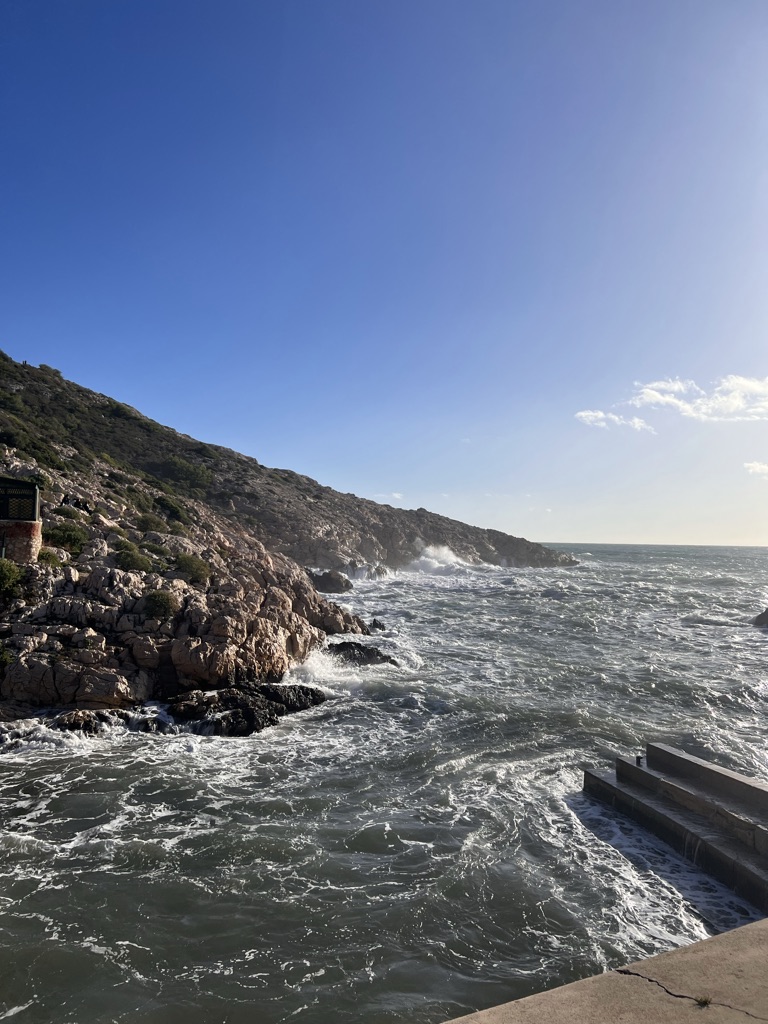
Yes, many coves invite swimming, the water is clear and often turquoise. On windy days with mistral the sea turns rough, so take care near the rocks.
Why is the water there so clear?
The pale limestone bed reflects the light and there is little sediment, so the water glows turquoise to deep blue, depending on depth and weather.
What is the mistral?
A strong, cold wind from the northwest that blows down the Rhône valley to the coast. It brings clear views and rough seas and shapes the weather of all Provence.