Travel · 5 min
Where the Land Flattens and the Sky Grows Vast
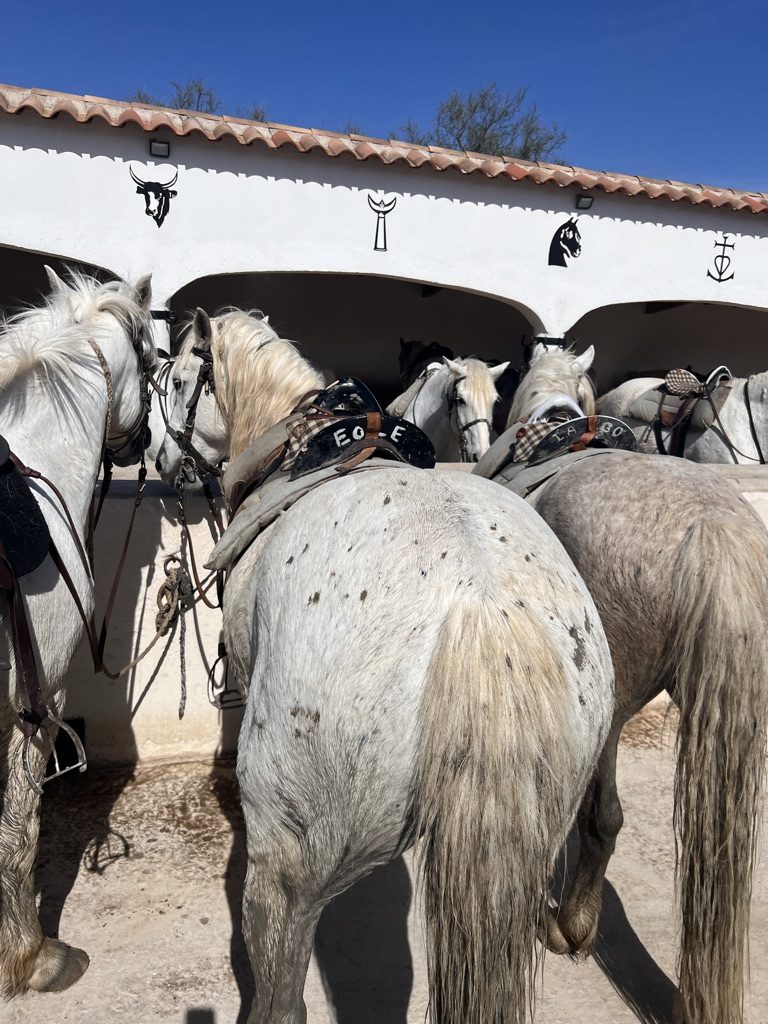
There are landscapes that make you smaller, not through height but through breadth. The Camargue is one of them. Where the Rhône frays into the sea, the land flattens, the water widens, the sky turns huge. Salt glitters at the edges, white horses stand in the reeds, and the wind carries off everything that was loud.
A land of water and salt
The Camargue is half land, half water. Lagoons lie still between reeds and dunes, at the edges the salt dries to white crusts. The light here is different, deep and silver, because it doubles in the shallow water. You suddenly understand why painters came south for the light.
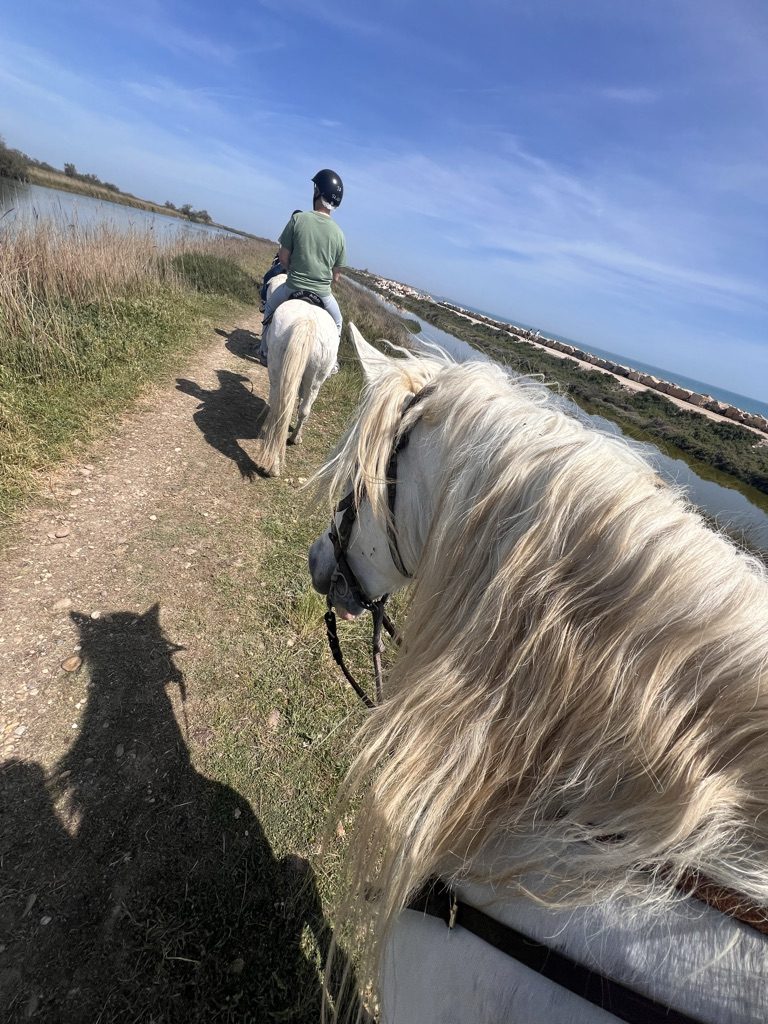
The white horses
The horses of the Camargue are born dark and only turn pale, grey and white, with the years. They live half-wild in the open, patient, calm, used to wind and water. They simply stand there, and that is enough. An animal that has nothing to prove is a fine sight.
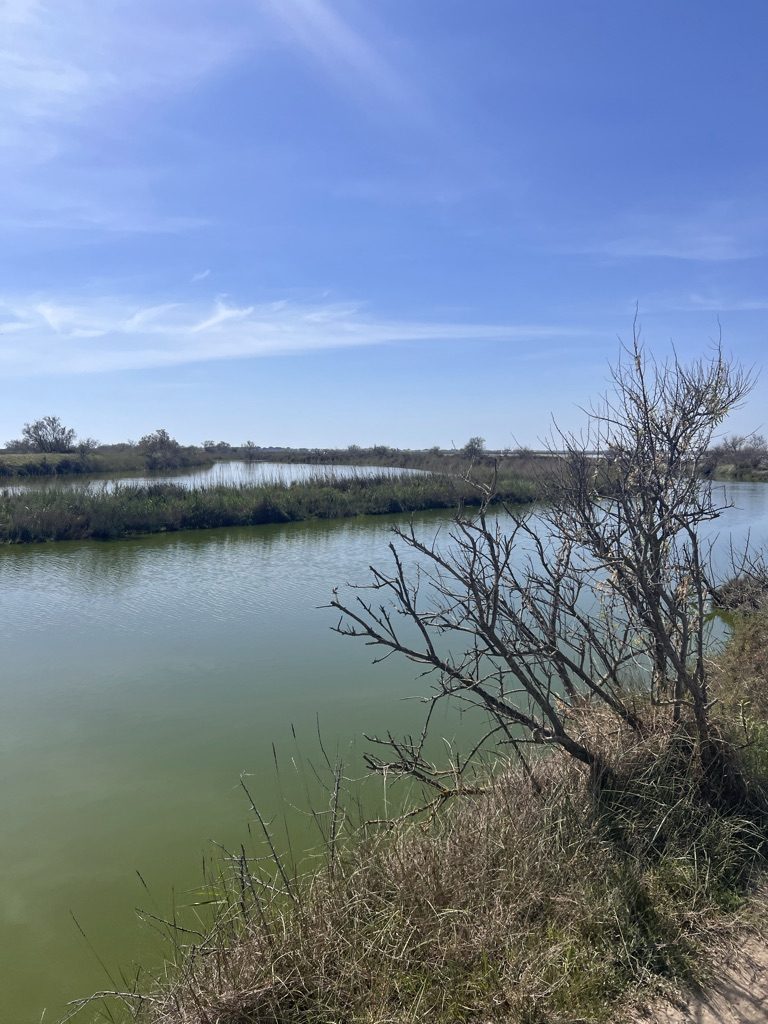
A space that stays
You don't drive into the Camargue to tick something off. You go to become less. A few hours by the shallow water, a long look, and the narrowness of everyday life falls away. Bring water, a hat, and by all means protection against the mosquitoes, the flat land loves them as much as the light.
Frequently asked
What can you see in the Camargue?
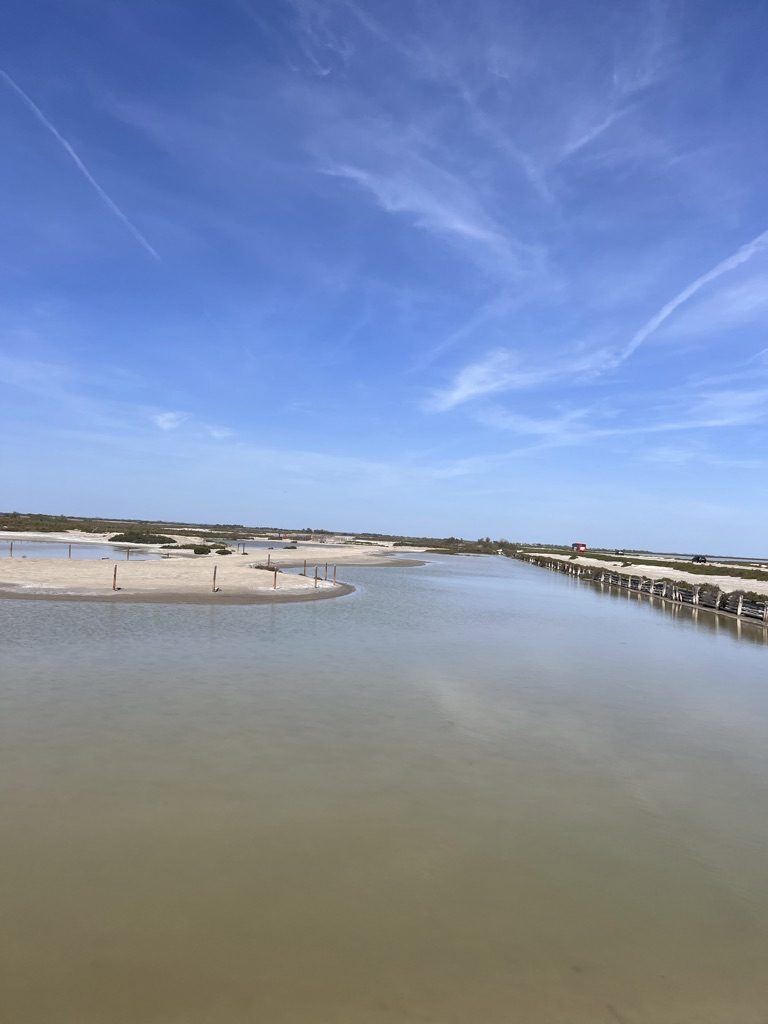
Wide lagoons and salt flats, the famous white horses, black bulls and with a little luck flamingos. A flat land under a vast sky.
How do you get from Marseille to the Camargue?
By car in about one to one and a half hours to the west, for example to Arles or into the regional park. A day trip is worth it.
What should you keep in mind in the Camargue?
Sun protection, water and above all mosquito protection. The damp, flat land is notorious for its mosquitoes, especially in the evening.